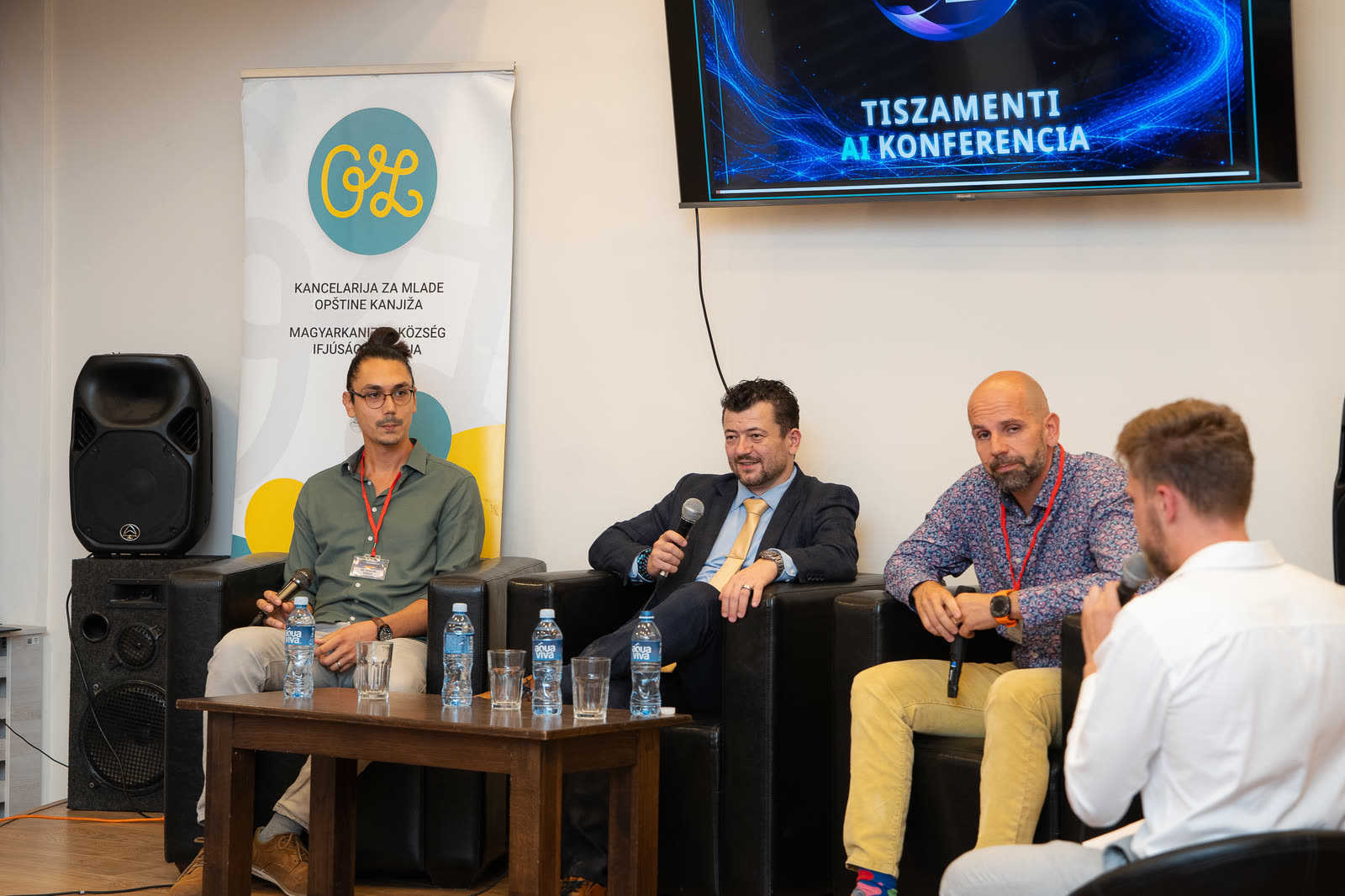

This week I went back to my old high school. Not as a student this time, but to spend two days talking about AI with the people who teach there now.
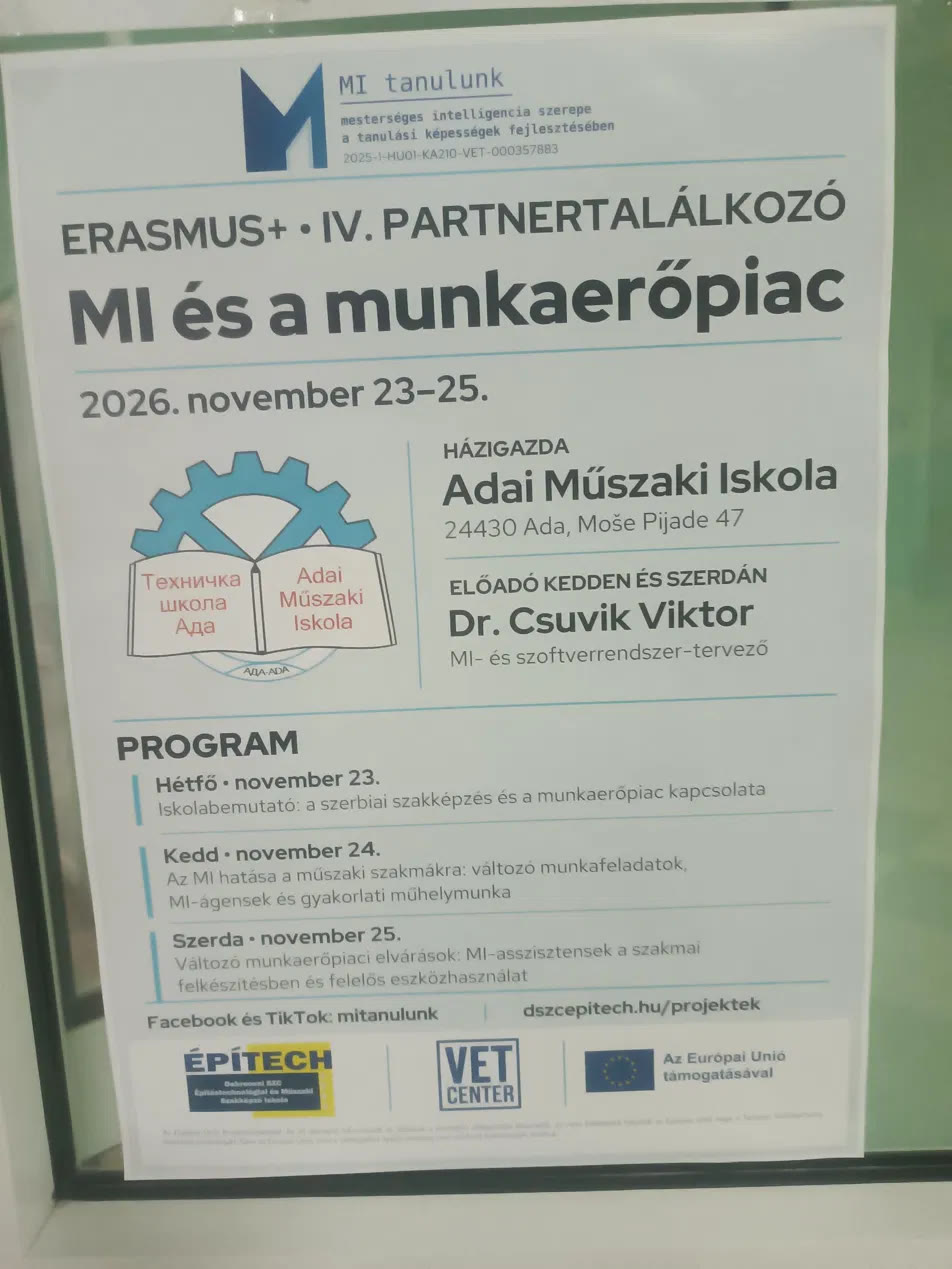
The school hosted a partner meeting for an Erasmus+ project on AI in vocational education, and this round was about AI and the labour market. I didn't want to give another talk about "the future of work" that everyone nods along to and forgets by lunch. So we spent very little time on headlines and a lot of time actually trying things.
Tuesday: an AI agent as your intern
On Tuesday I worked with the school's Erasmus+ team. We installed two free AI agents, OpenCode and Hermes Agent, on their own laptops. Nobody had to prepare anything. We started the installer together and kept going while it ran.
The question for the day was simple. If a big part of a junior employee's job becomes handing work to an AI and checking what comes back, what does that actually look like?
So we built the exercises around the trades the students are training for. In one, the agent got a messy folder of measurement files. One file used amperes instead of milliamperes, and one value was missing. Making a chart is easy for an agent. The real test was whether the person checking would notice when the agent got it wrong.
We also looked at what an MCP server and a skill add. At first the agent couldn't do the task, and with the right tool or recipe it could. With Hermes, the teachers set up a small routine that writes three practice questions every morning from their own exam material.
By the afternoon, each pair had picked a task from their own trade, tried it with an agent, found at least one mistake in the result, and turned it into a one-page assignment for students.
Wednesday: 100 minutes with the whole staff
Wednesday was for all the teachers. Most of them already use ChatGPT or Gemini for lesson plans and slides, so we skipped the basics. Everyone built their own assistant. We raced four tools to see which made the best slides from the same textbook chapter. We also looked at how a document's version history shows how a piece of work was made, not just how it ended up.
The part I cared about most was hallucination. The problem isn't that these models make mistakes. It's that they sound just as sure of themselves when they do.
One rule held across both days: student names, grades and personal data don't go into free AI tools.
Try it yourself
For the workshop I built a small AI Playground at demo.malilabs.com/en. It runs in your browser, with nothing to install. You can see how a language model splits text into tokens, play the language model yourself by guessing the next word, see the difference between a model, the tool built around it and an MCP server, and decide how much AI is allowed in a homework assignment. Teachers used it on their phones during the sessions, and you're welcome to use it in your own class.
Why I did it
I'm not a teacher, so I stuck to the tools and left the teaching methods to the people who know them. Still, walking those hallways again meant more to me than I expected. Small towns deserve these conversations too, and often the people who can start them grew up right there.
If you'd like something similar for your school or team, drop me a line.